Anemia in women is a widespread health problem affecting millions of women worldwide, often going unnoticed for long periods. Treating anemia becomes easier and more effective when detected early. Its causes vary from iron deficiency, pregnancy, to poor nutrition, while symptoms range from fatigue and dizziness to shortness of breath.
In this article, we will take a detailed look at anemia in women, its causes, symptoms, types, complications, treatment, and prevention.
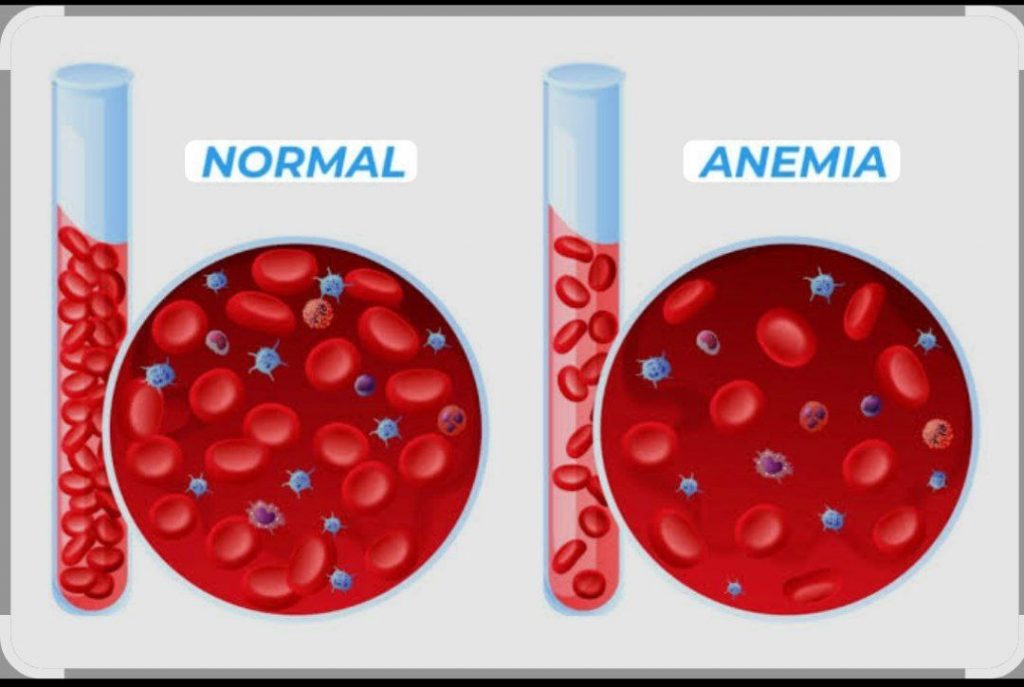
What Is Anemia?
Anemia is a condition in which there is an insufficient number of healthy red blood cells or hemoglobin, the protein responsible for carrying oxygen to body tissues. This leads to fatigue and general weakness.
Anemia may occur due to:
- Insufficient production of red blood cells
- Blood loss due to bleeding
- Destruction or loss of red blood cells faster than the body can replace them
Symptoms of Anemia in Women
Symptoms vary depending on severity and underlying cause. Common symptoms include:
- Persistent fatigue and exhaustion
- Pale skin
- Dizziness and headaches
- Shortness of breath
- Heart palpitations
- Cold hands and feet
- Hair loss and brittle nails
Types of Anemia in Women
1. Iron Deficiency Anemia
The most common type among women, especially those with heavy menstrual bleeding, as blood loss depletes iron stores.
Symptoms include:
- Pale complexion
- Hair loss and brittle nails
- Shortness of breath
- Gum cracks
- Poor concentration
2. Vitamin Deficiency Anemia
The body needs Vitamin B12 and folic acid — in addition to iron — to produce healthy red blood cells. Deficiency leads to reduced production and anemia.
Symptoms include:
- Tingling in hands or feet
- Difficulty walking
- Muscle pain
- Headache and nausea
Causes of Anemia in Women
- Menstrual Cycle: Heavy bleeding leads to iron deficiency anemia
- Pregnancy: The fetus relies on the mother’s iron and folic acid stores, depleting her levels
- Childbirth: Significant blood loss during delivery may lead to anemia
- Poor Nutrition: Restrictive dieting or low-iron diets can lead to anemia
Diagnosing Anemia in Women
Diagnosis is made through:



- Complete Blood Count (CBC)
- Hemoglobin test
- Ferritin (iron storage) test
- Vitamin B12 and folic acid tests if needed
Complications of Anemia in Women
1. Heart Problems
Low hemoglobin forces the heart to work harder to supply oxygen, possibly leading to an enlarged heart or heart failure in severe cases.
2. Pregnancy Complications
Anemia during pregnancy may cause preterm birth, low birth weight, or developmental delays.
3. Severe Fatigue
Advanced anemia may affect daily performance due to reduced oxygen supply to cells.
Prevention of Anemia in Women
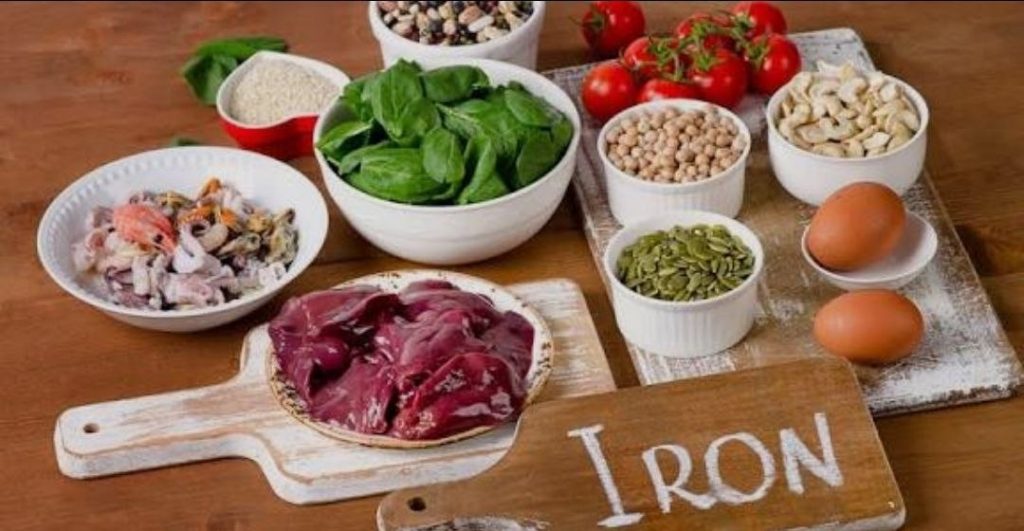
- Consume iron-rich foods (red meat, liver, eggs, legumes)
- Consume Vitamin C to improve iron absorption
- Avoid tea and coffee immediately after meals
- Undergo routine check-ups, especially during pregnancy
FAQ
At what age should females take iron supplements?
There is no specific age. Supplements are taken when deficiency is confirmed, and needs increase during puberty (14–18 years).
Does anemia cause dark circles under the eyes?
It may contribute due to pale skin, but other factors like lack of sleep and genetics may also play a role.
Which is better for treating iron deficiency: oral tablets or IV infusions?
Oral iron is the first line for mild to moderate deficiency.
IV iron is reserved for severe cases or when tablets are not tolerated** and must be taken under medical supervision.
Conclusion
Caring for overall health — especially blood health — is essential to avoid fatigue and prevent complications related to anemia. Do not ignore symptoms and give your body the nutrients and rest it needs. Early attention to anemia makes a noticeable difference in quality of life.