Glutamine is one of those supplements many beginners in fitness hear about. Some take it after workouts, while others swear by its benefits without really knowing what it does.
But the truth? Most claims about glutamine are exaggerated—or simply unclear.
In this article, we’ll break down what glutamine actually is, what science says about its benefits, and who (if anyone) truly needs it. The goal: to give you a clear picture so you can decide whether it’s worth adding to your stack—or skipping altogether.
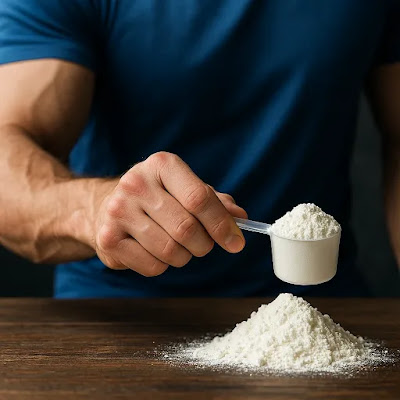
What Is Glutamine?
Glutamine is an amino acid—the building block of protein.
It’s classified as a “non-essential” amino acid, meaning your body can produce it on its own. However, during times of intense training, illness, or physical stress, the body’s natural production may not be enough.
Glutamine is found naturally in muscles and blood. It plays an important role in multiple functions, including supporting the immune system, maintaining gut health, and helping with tissue recovery.
That’s why it became popular as a supplement among bodybuilders and athletes engaged in high-intensity training.
Potential Benefits of Glutamine
Glutamine is linked to several possible benefits, especially in situations where the body is under stress. Here are the most common claims:
- Immune Support
Glutamine is a key fuel source for immune cells. During illness, injury, or intense training, levels can drop, potentially weakening immunity. Supplementation may reduce infection risk after surgery or heavy exercise. - Muscle Recovery
Some believe glutamine can reduce soreness and speed recovery between workouts. But research shows mixed results—most healthy athletes don’t experience major improvements. - Preventing Muscle Breakdown (Catabolism)
The idea is that glutamine could protect against muscle loss during hard training or fasting. While it makes sense physiologically, the scientific evidence is weak and inconsistent. - Gut Health
Glutamine supports the intestinal lining and may benefit people with digestive issues like leaky gut or inflammatory bowel conditions.
Does Glutamine Build Muscle?
Many lifters assume glutamine helps build muscle since it’s abundant in muscle tissue.

But the reality? Research shows glutamine doesn’t directly stimulate muscle growth. As long as you’re eating enough protein—or using proven supplements like whey protein—you likely won’t see extra gains from glutamine.
That means it’s not a “must-have” for bulking or muscle building.
Who Might Actually Benefit from Glutamine?
Most gym-goers don’t need glutamine. But certain groups may benefit:
- Athletes under extreme training loads
- People on low-protein or calorie-restricted diets
- Individuals fasting for long periods
- Patients with gut issues or compromised immunity
For the average healthy person with a balanced diet, the body makes enough glutamine on its own—no supplement needed.
The Bottom Line
Glutamine is a supplement with a lot of hype. But here’s the truth:
If your diet already provides enough protein, you’re probably wasting money on it.
It’s not harmful—but its impact on recovery and muscle growth is minimal, unless you’re in a very specific situation (like illness, gut problems, or extreme training).
Think of it like BCAAs—popular for a while, but mostly unnecessary if your protein intake is on point.
If you want supplements that actually deliver results? Stick with the basics: whey protein, creatine, and a solid diet. Leave glutamine on the shelf—unless you truly need it.
FAQs
1. Is glutamine necessary for all athletes?
No. It may help in cases of extreme training stress or low glutamine levels, but it’s not essential for most people.
2. When’s the best time to take glutamine?
Common timings are post-workout or before bed, aiming to support recovery.
3. Does glutamine build muscle?
Not directly. It helps immunity and recovery, but it doesn’t replace protein for muscle growth.
4. Is glutamine safe for daily use?
Generally yes, at doses of 5–10g per day. But consult a doctor if you have medical conditions.
5. Can glutamine help during cutting?
Possibly. It may aid recovery and muscle preservation when calories are low, but results vary.